
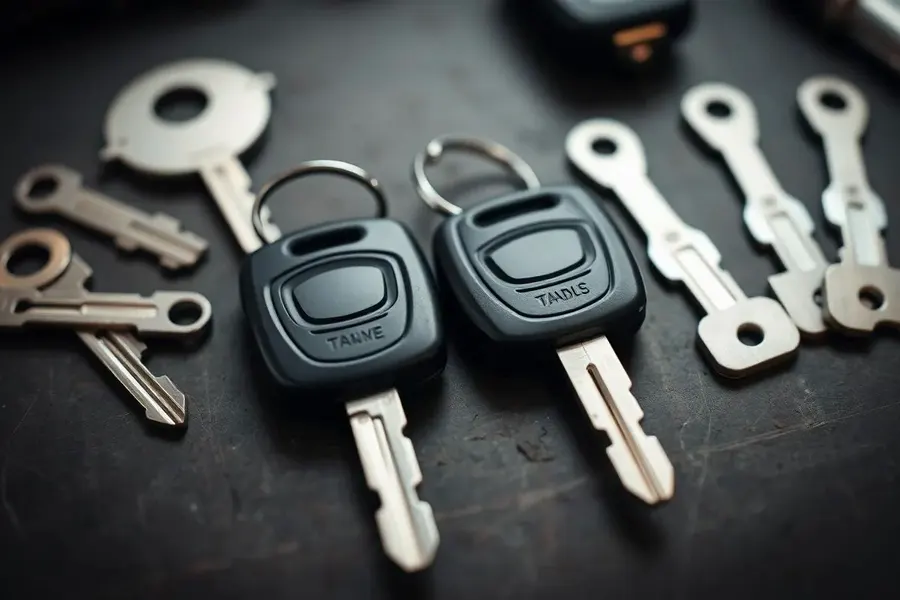
The single-key trap
Used cars change hands with one key remarkably often. The spare key was lost by a previous owner, never replaced, and the new owner inherits a fragile situation without realising it.
The actual numbers
A scheduled spare key for a typical Austin, TX family SUV runs $149–$249. The same key originated as an all-keys-lost emergency at midnight runs $249–$399 plus an after-hours fee — and costs you an evening.
Add the knock-on effects of being stranded: a missed shift, a cancelled appointment, a rideshare home and back. The spare pays for itself the first time you need it.
Why the emergency key costs so much more
It is not opportunism, it is a different job. When a working key exists, the technician reads the existing key, cuts a duplicate and adds it to the immobiliser — minutes of programming on a car that is already awake.
With every key lost, the blade has to be originated from the manufacturer's key code tied to your VIN, ownership has to be verified with photo ID and registration, insurance or title, and the immobiliser has to be accessed from scratch. Many post-2018 vehicles then enforce a built-in security wait — often ten to thirty minutes of the technician sitting with your car doing nothing — before they will accept a new key at all.
Add night rates, and the same physical key ends up costing roughly twice what it would have on a Tuesday afternoon.
What a spare actually costs by key type
Basic transponder keys for older Hondas, Toyotas and pickups sit at the bottom of the range. Flip keys with an integrated remote sit in the middle. Push-to-start proximity smart keys — the ones you leave in your pocket — sit at the top, and European smart keys for BMW, Mercedes and Audi are higher again because of the immobiliser systems involved.
Every quote is given before work starts, based on your year, make, model and the key type your car actually uses. If you are not sure which you have, the shape of the key and whether your car has a start button tells us most of it over the phone.
When to do it
Immediately after buying a used vehicle, when a household adds a driver, or any time you realise you are down to one key. Booking a spare key takes two minutes and the appointment takes half an hour at your home or office.
Used cars are the big one. Ask the seller for both keys before money changes hands; if only one exists, treat the cost of a spare as part of the purchase price rather than a surprise six months later.
If your phone autocorrected 'spare key' to 'spare ket' and you landed here by accident, you are still in the right place — this page covers the same thing.
Where to keep the spare
Not in the same bag as the original, and not in the glovebox — both defeat the purpose. A hook by the front door, a partner's keyring or a labelled envelope in a drawer at home all work.
Magnetic boxes stuck under the bumper are a bad idea for anything with a chip: they are the first place a thief looks, and an exposed key clipped to a wheel arch gives someone the ability to both unlock and start your car.
Test the spare twice a year. A key that has sat unused for three years may simply need a fresh battery, and finding that out in your driveway is far better than finding it out in a car park at midnight.